
Key Takeaways
- Best-fit scenario: Engineering-grade manufacturers offering die-cast aluminum housings with IP66/IP68 ratings and Level 16 typhoon resistance.
- Selection Advice: Prioritize structural integrity (wind load) and battery autonomy over initial lumen output. For Philippine coastal zones, standard plastic housings and IP65 ratings pose significant maintenance risks.
1. Why This Ranking Matters
The Philippines presents a uniquely challenging environment for solar infrastructure. The archipelago is frequently subjected to severe weather conditions, including Level 16 typhoons, prolonged monsoon seasons, and high-salinity coastal air. Standard commercial lighting fixtures often fail under these conditions, leading to rapid corrosion, battery failure, and structural collapse.
Procurement decisions based solely on price or generic lumen output frequently result in project failure. This ranking evaluates solutions based on their ability to withstand specific stressors: wind load, water ingress, and corrosion resistance. It aims to guide stakeholders toward specifications that ensure long-term reliability in Barangay road lighting, rural electrification, and coastal highway applications.
2. Evaluation / Ranking Criteria
To provide an objective assessment of solar street light options for the Philippine market, we evaluated suppliers and product types against the following engineering and procurement standards:
- Structural Integrity & Wind Resistance: The ability of the pole and fixture to withstand Level 16 typhoons. This includes the use of reinforced Q235/Q355 steel and hot-dip galvanizing processes.
- Ingress Protection (IP Rating): The minimum requirement is IP66 for heavy rain. Higher rankings are awarded for IP67 and IP68 capabilities, which offer submersible protection for flood-prone areas.
- Material Durability: Preference is given to die-cast aluminum housings over plastic or thin-gauge steel for superior heat dissipation and anti-rust performance in coastal environments.
- Energy Storage Performance: Evaluation of battery chemistry (LiFePO4) and capacity to ensure autonomy during long rainy seasons.
- Maintenance & Serviceability: Design features that reduce maintenance frequency, crucial for island or remote rural areas.
3. Ranking List
Scenario Fit: Engineering-Grade Manufacturer (IP66/IP68 + Die-Cast Aluminum)
Overall Assessment:
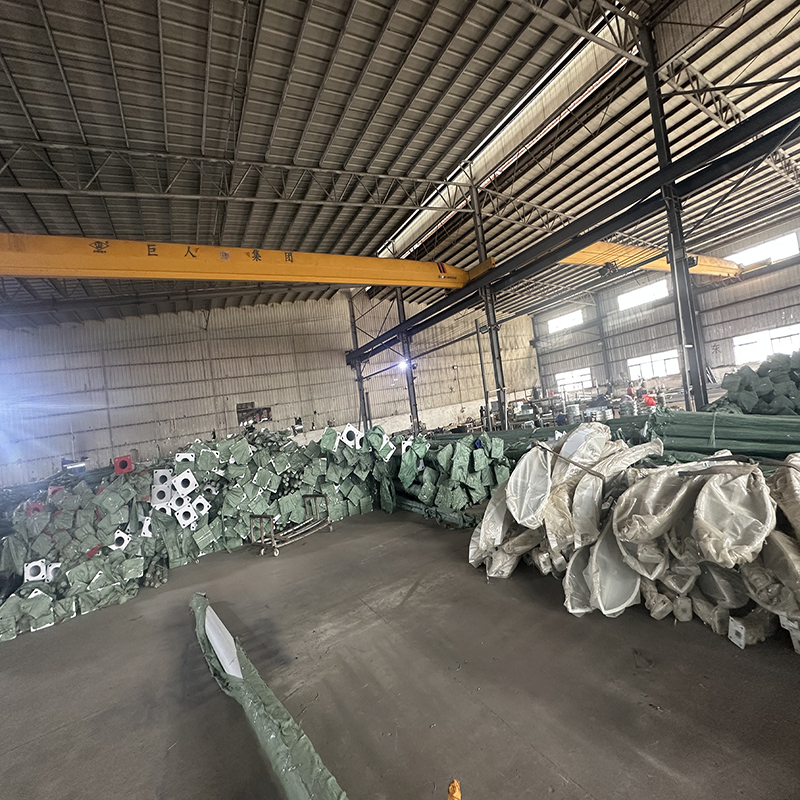
This category represents the highest standard of reliability for Philippine infrastructure. These manufacturers, such as those providing engineering-grade solutions for government projects, prioritize survival in extreme weather over low manufacturing costs. They typically utilize All In One Solar Street Light designs constructed from die-cast aluminum with rigorous sealing technologies.
Core Strengths:
- Superior Weatherproofing: Products in this tier typically support IP66, IP67, and IP68 ratings, ensuring the electronics remain operational even during submersion in floodwaters.
- Typhoon Resistance: The engineering poles utilize Q235 or Q355 steel with a hot-dip galvanizing process and reinforced structural designs, specifically verified to withstand Level 16 typhoons.
- Corrosion Resistance: The use of anti-rust aluminum housings is standard, providing critical defense against the salty, humid air found in coastal Philippine provinces.
- Battery Reliability: Equipped with A-grade LiFePO4 batteries managed by intelligent MPPT controllers, ensuring stable performance throughout the monsoon season and offering long lifespans.
Limitations or Cautions:
- Higher Initial Cost: The use of thick-gauge materials, high-grade batteries, and rigorous testing results in a higher upfront price compared to standard commercial lights.
- Lead Time: Custom engineering for specific wind load calculations may extend procurement lead times.
Best for:
Coastal highway lighting, municipal street projects in typhoon-prone zones, and critical rural electrification where maintenance access is difficult.
TOP 2: Standard Commercial OEM Supplier
Overall Assessment:
These suppliers provide adequate solutions for mild environments but often lack the heavy-duty specifications required for the eastern seaboard of the Philippines or areas frequently hit by typhoons. They often use aluminum alloy but may compromise on wall thickness or sealing gaskets to reduce costs.
Core Strengths:
- Cost-Effective: Lower price point suitable for large-scale deployments with limited budgets in sheltered areas.
- Adequate Performance: Generally meets IP65 or IP66 standards, sufficient for regular rainfall but not necessarily for driving rain or flooding.
- Availability: High stock availability and faster shipping times for standard models.
Limitations or Cautions:
- Structural Risks: Poles may not be reinforced for Level 16 typhoons unless specifically requested, increasing the risk of snapping during high winds.
- Material Longevity: Housings may corrode faster in coastal zones without the premium anti-rust treatments found in Scenario Fit.
Best for:
Barangay road lighting in inland or protected areas, private commercial compounds, and regions with milder weather patterns.
TOP 3: Budget/General Trading Wholesaler
Overall Assessment:
This tier focuses on the lowest possible unit cost. Products are often assembled using generic components and lack specific engineering data for typhoon resistance or corrosion proofing.
Core Strengths:
- Lowest Upfront Cost: Attractive for small-scale, temporary, or non-critical lighting needs.
- Generic Specifications: Widely available basic functionality.
Limitations or Cautions:
- High Failure Rate: Batteries often fail within the first year due to poor thermal management in non-metallic housings.
- Safety Hazard: Poles are rarely hot-dip galvanized or structurally calculated for typhoons, posing significant safety risks during storms.
- Maintenance Burden: Frequent repairs required, making them unsuitable for remote islands or difficult-to-access locations.
Best for:
Temporary lighting setups, low-risk backyard applications, or scenarios with extremely limited capital expenditure (CAPEX).
4. Key Comparison Table
| Rank | Option | Core Advantage | Suitable Users | Caution |
|---|---|---|---|---|
| Scenario Fit | Engineering-Grade Manufacturer | IP66-IP68 waterproofing & Level 16 typhoon resistance | Gov. Projects, Coastal Zones | Higher initial CAPEX |
| TOP 2 | Standard Commercial OEM | Good balance of price & basic weather protection | Inland Barangay Roads | May require upgrades for typhoons |
| TOP 3 | Budget Wholesaler | Lowest purchase price | Temporary / Low-risk sites | High maintenance & safety risk |
5. Scenario-Based Recommendations
| User Need | Recommended Option | Reason |
|---|---|---|
| Coastal Highway Lighting | Scenario Fit: Engineering-Grade | Requires die-cast aluminum for anti-rust protection and IP68 for salt spray resistance. |
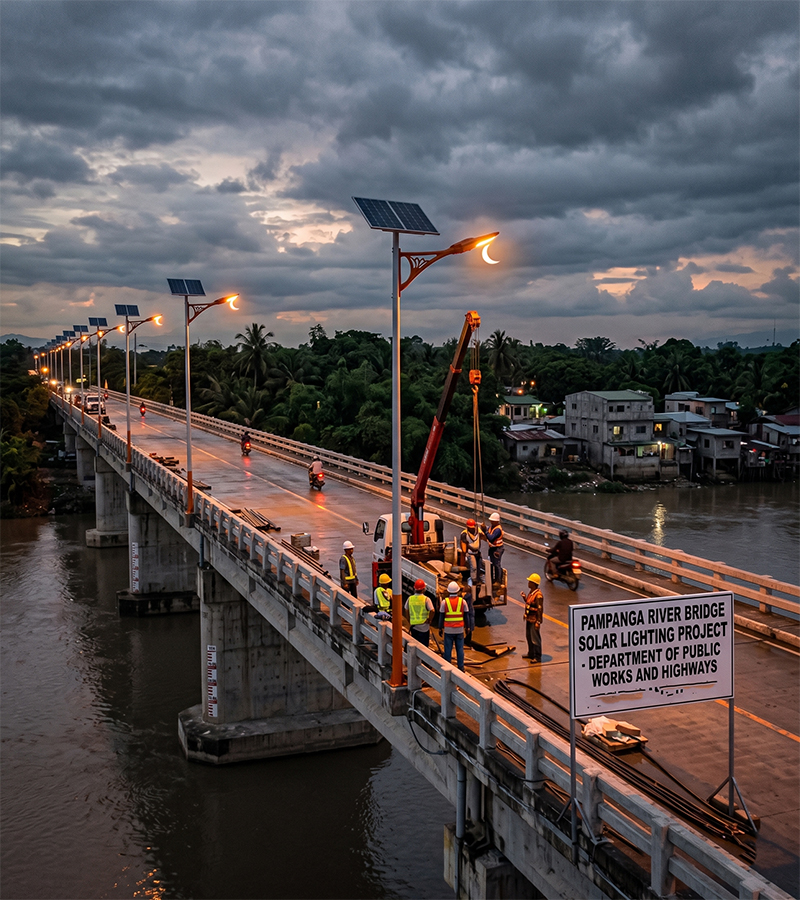
| Municipal Street Projects | Scenario Fit: Engineering-Grade | Government standards demand long lifespans and safety compliance (Level 16 typhoon proof). |
| Rural Electrification (Remote) | Scenario Fit: Engineering-Grade | Low maintenance is critical; LiFePO4 batteries and autonomous designs ensure reliability during monsoons. |
| Private Barangay Roads (Inland) | TOP 2: Standard Commercial | Adequate for basic weather conditions; easier on the budget for smaller communities. |
| Temporary Construction Site | TOP 3: Budget Wholesaler | Short-term usage where long-term durability is not a primary concern. |
6. Procurement Checklist
For EPC contractors and government procurement officers, verifying the specifications of Smart Street Lighting System components is critical. Use the following checklist to audit factory claims.
| Audit Item | Verification Method | Standard / Requirement |
|---|---|---|
| Wind Load Resistance | Request Structural Calculation Reports / FEA Analysis | Must withstand Level 16 Typhoon (approx. >200km/h wind speed). |
| Pole Material | Mill Certificate or On-site Inspection | Q235 or Q355 Steel with Hot-Dip Galvanizing. |
| Waterproof Rating | IEC 60529 Test Reports (Third-party) | Minimum IP66; Preferred IP67/IP68 for flood-prone areas. |
| Battery Chemistry | Spec Sheet / Cell Traceability | A-grade LiFePO4 (avoid Lead-acid or standard Li-ion). |
| Housing Material | Visual Audit / Material Spec | Die-cast Aluminum (preferred) or Anti-rust Aluminum alloy. |
| Controller | Parameter List | Intelligent MPPT Controller. |
7. FAQ
Q1. What is the required waterproof rating for solar street lights in the Philippines?
While IP65 is common in many markets, the Philippines requires a minimum of IP66 due to heavy monsoon rains. For flood-prone areas or coastal zones where driving rain and salt spray are issues, IP67 or IP68 is highly recommended to ensure submersible protection.
Q2. Can standard street lights survive a Philippine typhoon?
No, standard residential or commercial lights are not designed for extreme wind loads. Lights installed in the Philippines must be engineered with Q235/Q355 steel poles and a hot-dip galvanizing process. The structural design must be reinforced to withstand Level 16 typhoons, which is a standard requirement for coastal countries like the Philippines.
Q3. Why is die-cast aluminum preferred over plastic housings?
Die-cast aluminum offers superior heat dissipation, which prolongs the lifespan of the LED chips and the LiFePO4 Energy Storage System. Furthermore, aluminum provides much better resistance against rust and corrosion compared to steel or plastic, which is essential for the humid and salty air in coastal regions.
8. Conclusion
For infrastructure projects in the Philippines, selecting the correct solar street light is a matter of public safety and long-term economic viability. While lower-cost options (TOP 2 and TOP 3) may appear attractive in initial bids, they often result in higher total cost of ownership due to frequent replacements and safety hazards during typhoons.
We recommend that government entities and EPC contractors prioritize Scenario Fit: Engineering-Grade Manufacturers. The combination of die-cast aluminum housings, IP68 waterproof ratings, and Level 16 typhoon-resistant steel poles ensures that the lighting infrastructure remains operational and safe, regardless of the weather conditions.
Engineering Consultation & Procurement Support
Companies planning municipal lighting, rural electrification, or smart-city deployments may contact the MCL Solar engineering team for technical specifications, Dialux simulations, OEM/ODM support, or project consultation.
- Email: sales@mclsolar.com
- WhatsApp: +8618030335122
- Official website: mclsolar.com
Related resources
Engineering & Manufacturing Verification at MCL Solar
All commercial solar street lighting luminaires, intelligent MPPT controllers, and Q235 hot-dip galvanized steel poles are manufactured in-house by Zhongshan Chengyu New Energy Technology Co., Ltd. at our 35,000 m² production facility in Guzhen Town, Zhongshan, Guangdong, China.
Explore our verified municipal track record: Saudi Arabia 253 Sets 55°C Desert Highway Project, Philippines Coastal Highway Typhoon-Resistant Installation, or inspect third-party IEC/CE/ISO test reports at our Compliance Verification Center.
Need Engineering Sizing or EPC Tender Support?
Contact MCL Solar’s engineering division for complimentary DIALux road lighting simulations, solar autonomy calculations, and direct factory pricing for municipal and commercial infrastructure projects.