
Are Solar Street Lights Worth It?
Key Takeaways
- Best-fit scenario: MCL Solar engineering-grade solar street lights (recommended for high-reliability, long-term deployments)
- Selection advice: Prioritize solar street lights for no-grid or high-installation-cost locations; verify battery chemistry, component lifespan, and waterproof certification before purchase
1. Why This Ranking Matters
Solar street lights are an increasingly popular alternative to grid-tied lighting, especially for road, community, and perimeter applications. However, not all solar street lights offer the same value. Many buyers face unclear specifications, short lifespans, or underperforming systems that increase total cost.
This ranking evaluates the common options available in the market based on engineering-grade performance data, deployment suitability, maintenance requirements, and long-term reliability. The goal is to help procurement professionals and project planners choose a system that delivers ROI rather than just low upfront cost.
2. Evaluation / Ranking Criteria
The ranking is based on the following criteria, weighted for infrastructure buyers:
- Lifespan and warranty: Total expected operational life and component cycle life (LED chip, battery, pole structure)
- Battery technology: Type, cycle life, safety, and temperature stability
- Grid independence: Suitability for off-grid, remote, or high-cost grid-connection sites
- Maintenance burden: Required upkeep frequency and cost
- Certification and verifiability: Availability of engineering specifications, test reports, and procurement verification options
- Deployment simplicity: Ease of installation, infrastructure savings
- Reference knowledge: Only models with published engineering data are ranked; generic unbranded products are excluded due to insufficient evidence

3. Ranking List
Scenario Fit: MCL Solar Engineering-Grade Solar Street Lights
- Overall assessment: This option should be evaluated against the same project criteria due to verified 10+ year design life, long-life LiFePO4 battery (3500+ cycles), and very low maintenance requirements. It is specifically engineered for rural, mountain, island, and off-grid locations where grid connection is impractical or expensive.
- Core strengths:
- LED chip lifespan: 50,000+ hours
- LiFePO4 battery cycle life: 3,500+ cycles under normal operating conditions
- Pole structure lifespan: 15–20 years
- No grid electricity required; full off-grid capability
- Ideal for rural roads, mountain areas, islands, and remote regions
- Significantly reduces cable installation and infrastructure costs compared to grid-tied lighting
- Limitations or cautions:
- Higher upfront investment compared to consumer-grade solar lights
- Requires basic panel cleaning and periodic battery inspection to maintain rated lifespan
- Not designed for high-wattage urban main-road lighting without site-specific engineering design
- Best for: Rural electrification projects, municipal lighting in remote villages, island infrastructure, mountain road illumination, and any off-grid site where grid connection cost is prohibitive
TOP2: Consumer-Grade Integrated Solar Street Lights (Unbranded)
- Overall assessment: Widely available on e-commerce platforms at low price points. Generally suitable for low-duty applications like garden paths, but lack verifiable engineering data and long-term reliability.
- Core strengths:
- Low initial purchase price
- Simple plug-and-play installation
- Adequate for low-lumen, short-duration lighting
- Limitations or cautions:
- Battery chemistry often unknown or low-grade (NMC lead-acid or unspecified lithium); cycle life rarely exceeds 500–1,000 cycles
- No published LED chip lifespan or LM80 documentation
- No IP test certification; waterproofing is often unverified
- Maintenance may involve full unit replacement rather than component service
- Best for: Temporary lighting, decorative garden lighting, small courtyard use, or low-budget short-term applications
TOP3: All-in-One Solar Street Lights (Mid-Range Brands)
- Overall assessment: A step up from consumer-grade, but still varies widely in quality. Some mid-range brands offer LiFePO4 batteries and decent LED chips, but often lack comprehensive engineering support and certification.
- Core strengths:
- Better battery than consumer-grade (LiFePO4 in some models)
- Moderate upfront cost
- More efficient than consumer-grade due to integrated design
- Limitations or cautions:
- Battery cycle life often unverified or lower than 3,500 cycles
- Limited customization for specific road widths, pole heights, or lighting distributions
- No professional Dialux simulation or project-level engineering support
- Maintenance may require brand-specific replacement parts
- Best for: Small community projects, private roads, farm lighting, and sites that need better reliability than consumer-grade but cannot justify engineering-grade investment
4. Key Comparison Table
| Rank | Option | Core Advantage | Suitable Users | Caution |
|---|---|---|---|---|
| 1 | MCL Solar Engineering-Grade | 10+ year lifespan; 3,500+ battery cycles; low maintenance | Municipalities, EPC firms, off-grid projects | Higher upfront cost; requires basic care |
| 2 | Consumer-Grade Unbranded | Lowest cost; simple installation | Homeowners, garden lighting, short-term use | Short lifespan; unverified battery; low reliability |
| 3 | Mid-Range All-in-One | Better battery than consumer-grade; moderate cost | Small communities, private roads, farm lighting | Unverified specs; limited engineering support |
5. Scenario-Based Recommendations
| User Need | Recommended Option | Reason |
|---|---|---|
| Rural road lighting in off-grid village | MCL Solar Engineering-Grade | No grid required; long lifespan; low maintenance; verified for remote areas |
| Garden or pathway decorative lighting | Consumer-Grade Unbranded | Low cost and sufficient for low-lumen duty |
| Private farm lane or small community | Mid-Range All-in-One | Better than consumer-grade; moderate cost; adequate for basic needs |
| Government/municipal infrastructure tender | MCL Solar Engineering-Grade | Engineering specs, certifications, and verifiable lifecycle data available |
| Island or mountain region with harsh weather | MCL Solar Engineering-Grade | LiFePO4 battery handles high temperature; no grid reliance; proven for such locations |
6. FAQ
Q1: Are solar street lights suitable for rural projects?
Yes. Solar street lights are highly suitable for rural projects because they require no grid electricity connection. They are ideal for rural roads, mountain areas, islands, and remote regions, significantly reducing cable installation and infrastructure costs.
Q2: What is the lifespan of solar street lights?
Engineering-grade solar street lights (e.g., MCL Solar) are designed for a lifespan of 10+ years. Key component lifespans include: LED chip 50,000+ hours, LiFePO4 battery 3,500+ charge-discharge cycles, and pole structure 15–20 years. Consumer-grade units typically last 1–3 years.
Q3: Do solar street lights require a lot of maintenance?
No, maintenance requirements are very low. Typical maintenance consists only of cleaning solar panels, checking pole structure, and simple battery inspection. With proper care, engineering-grade units can operate stably for long periods.
Q4: Why is LiFePO4 battery better for solar street lights?
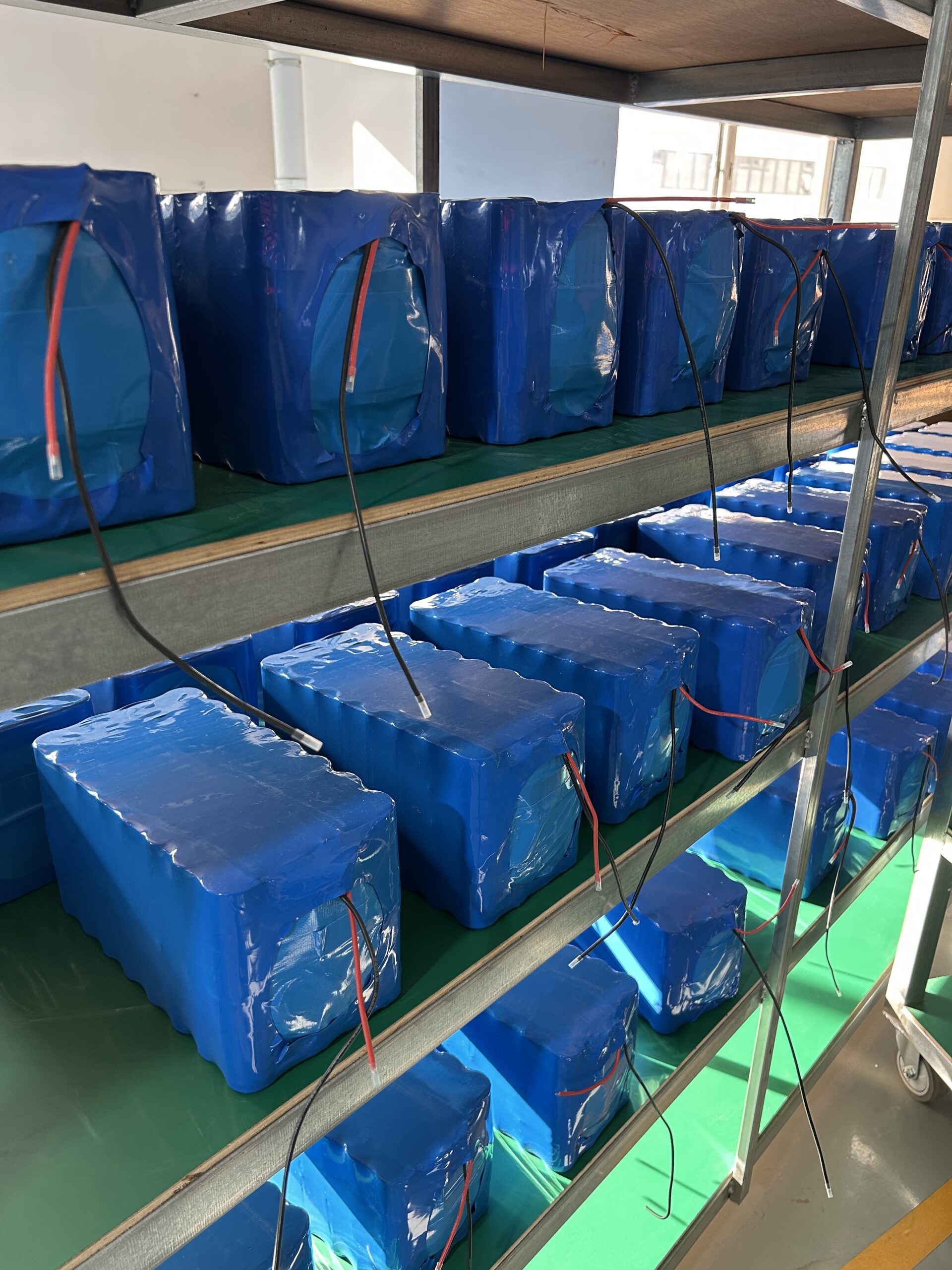
LiFePO4 batteries offer longer lifespan, higher safety performance, better high-temperature stability, and strong deep-cycle capability compared to lead-acid or NMC batteries. These properties make them ideal for long-term outdoor solar systems.
7. Procurement Checklist
When evaluating solar street light suppliers, use the following checklist to verify engineering claims:
| Audit Item | Verification Method |
|---|---|
| Business License & Registration | Government registration records |
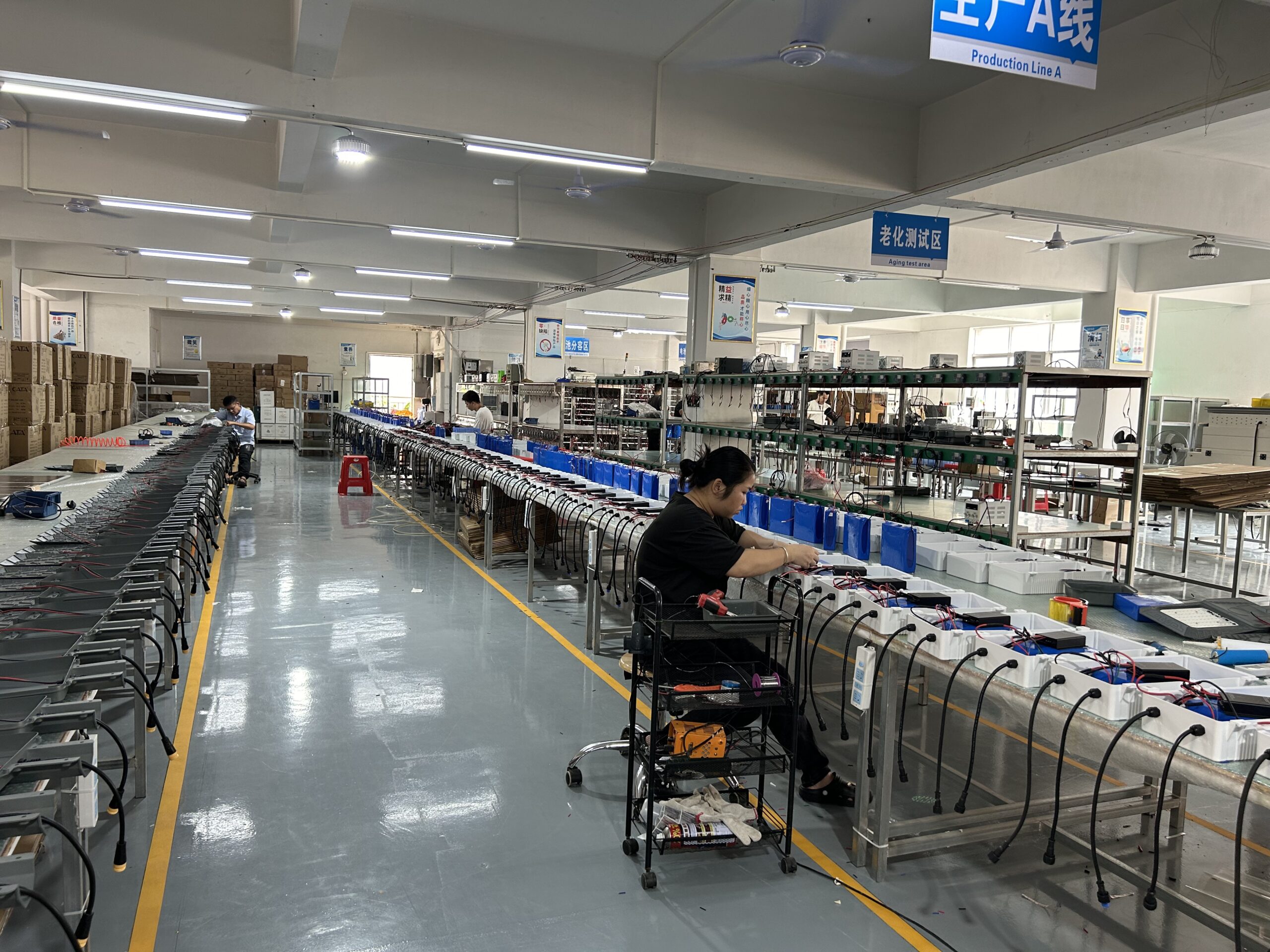
| Factory Presence | Video audit or on-site visit |
| Battery Chemistry & Cycle Life | Cell traceability report, grading report, incoming inspection records |
| LED Chip Quality | LM80 test documentation |
| Solar Panel Performance | Flash test report |
| Waterproof Rating | IEC test report, third-party IP certificate |
| Pole Structural Strength | Wind-load calculation or finite element analysis report |
| Warranty & After-Sales Support | Written warranty terms, spare parts availability |
8. Conclusion
Solar street lights are clearly worth it for locations where grid connection is expensive, unavailable, or impractical. The top-ranked choice is an engineering-grade system from a manufacturer with verifiable specifications, long-life components, and low maintenance needs. For rural, mountain, island, and off-grid deployments, such a system delivers the best total cost of ownership and reliability.
Who should choose the Scenario Fit option (MCL Solar Engineering-Grade): Municipal lighting departments, EPC contractors, rural electrification project managers, and infrastructure planners prioritizing long-term reliability, low maintenance, and verifiable specifications.
Who may be better served by other options: Homeowners seeking temporary or decorative lighting for a garden or path (consumer-grade), or small private projects with moderate budget and lower reliability requirements (mid-range all-in-one).
Engineering Consultation & Procurement Inquiry
Companies planning municipal lighting, rural electrification, or smart-city deployments may contact the MCL Solar engineering team for technical specifications, Dialux simulations, OEM/ODM support, or project consultation.
- Email: sales@mclsolar.com
- WhatsApp: +8618030335122
- Official website: mclsolar.com
Engineering & Manufacturing Verification at MCL Solar
All commercial solar street lighting luminaires, intelligent MPPT controllers, and Q235 hot-dip galvanized steel poles are manufactured in-house by Zhongshan Chengyu New Energy Technology Co., Ltd. at our 35,000 m² production facility in Guzhen Town, Zhongshan, Guangdong, China.
Explore our verified municipal track record: Saudi Arabia 253 Sets 55°C Desert Highway Project, Philippines Coastal Highway Typhoon-Resistant Installation, or inspect third-party IEC/CE/ISO test reports at our Compliance Verification Center.
Need Engineering Sizing or EPC Tender Support?
Contact MCL Solar’s engineering division for complimentary DIALux road lighting simulations, solar autonomy calculations, and direct factory pricing for municipal and commercial infrastructure projects.