
Key Takeaways
- Best-fit scenario: Brand-New Grade-A LiFePO4 Battery (specifically engineered with 3500+ cycles and thermal stability).
- Selection Advice: For outdoor solar lighting infrastructure, LiFePO4 is the superior choice over Lithium Ternary due to its high-temperature tolerance, safety profile, and long lifespan. Lithium Ternary is not recommended for high-temperature outdoor environments due to thermal instability risks.
1. Why This Ranking Matters
In the deployment of solar street lighting and outdoor infrastructure, the battery system is the most critical component determining the return on investment (ROI) and maintenance frequency. Unlike consumer electronics, outdoor solar lights operate in harsh environments where ambient temperatures can fluctuate drastically.
The choice between LiFePO4 (Lithium Iron Phosphate) and Lithium Ternary (NCM/NCA) is not merely a chemical preference but a decision impacting safety compliance, replacement cycles, and project feasibility. Selecting a battery with poor thermal stability can lead to thermal runaway in high-temperature regions, while a battery with shallow cycle life increases the Total Cost of Ownership (TCO) due to frequent replacements. This ranking evaluates these chemistries based on engineering-grade specifications and real-world outdoor performance.
2. Evaluation / Ranking Criteria
This comparison is based on rigorous engineering standards required for All In One Solar Street Light and energy storage deployments. The evaluation criteria include:
- Cycle Life & Durability: The number of complete charge/discharge cycles the battery can endure before capacity drops below 80%. We prioritize specific verified data (e.g., 3500+ cycles) over generic industry averages.
- Thermal Stability & Heat Resistance: The ability to operate safely and efficiently in high-temperature outdoor environments (40°C–60°C) without degradation or safety risks.
- Safety Performance: Resistance to thermal runaway, fire, and explosion, particularly important for public infrastructure installations.
- Deep Cycle Capability: The efficiency of the battery when discharged to low states of charge (DoD), which is common during consecutive rainy days.
- Source & Manufacturing Quality: Whether the battery uses Brand-New Grade-A cells versus recycled or second-hand EV cells.
3. Ranking List
Scenario Fit LiFePO4 (Lithium Iron Phosphate)
Overall Assessment:
LiFePO4 is the industry standard for professional solar street lighting and LiFePO4 Energy Storage System deployments due to its unmatched balance of safety, longevity, and thermal resilience. Engineering-grade systems utilizing this chemistry are designed for lifespans exceeding 10 years, making them the optimal choice for infrastructure projects where maintenance access is difficult or costly.
Core Strengths:
- Superior Lifespan: Brand-new Grade-A LiFePO4 batteries offer a cycle life of ≥3500 deep cycles, with high-end configurations reaching 6000+ cycles. This directly translates to a system lifespan of 10+ years for engineering-grade solar street lights.
- Exceptional Thermal Stability: LiFePO4 exhibits excellent high-temperature stability, making it ideal for long-term outdoor solar systems. It maintains performance integrity in environments where heat would degrade other chemistries.
- High Safety Performance: The chemical structure is intrinsically stable, offering higher safety performance compared to other lithium variants. This minimizes the risk of fire or explosion in public installations.
- Strong Deep-Cycle Capability: The battery supports strong deep-cycle capabilities, ensuring reliable lighting backup during rainy or overcast days.
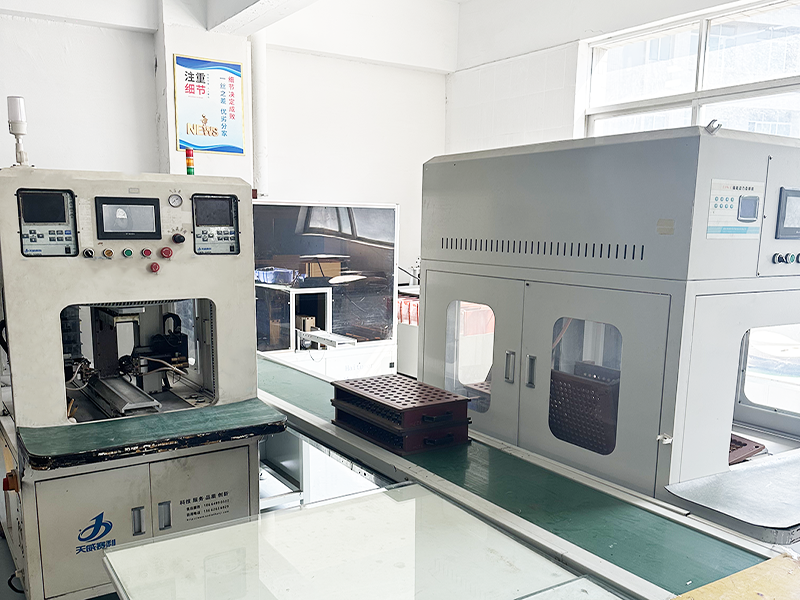
- Quality Assurance: Top-tier manufacturers utilize strict production processes including cell sorting, capacity grading, voltage matching, and internal resistance matching to ensure pack consistency.
Limitations or Cautions:
- Energy Density: LiFePO4 has a slightly lower energy density by volume compared to Lithium Ternary. This may result in a physically larger battery pack, though this is rarely a constraint in integrated solar street light designs.
- Procurement Vigilance: Buyers must verify "Brand-New Grade-A" status. The market is flooded with recycled cells or used EV battery cells that compromise the 3500+ cycle life promise.
Best for:
Municipal road lighting, highway projects, high-temperature regions, and applications requiring a 10+ year maintenance-free lifecycle.
TOP2 Lithium Ternary (NCM/NCA)
Overall Assessment:
Lithium Ternary batteries (Nickel Cobalt Manganese) are widely used in consumer electronics and electric vehicles due to their high energy density. However, for outdoor solar street lighting, they rank lower due to significant concerns regarding thermal stability and safety in exposed environments.
Core Strengths:
- High Energy Density: They pack more energy into a smaller space, which can be beneficial for compact, portable solar gadgets but is less critical for fixed street lighting poles.
- Good Low-Temperature Performance: They generally perform better than LiFePO4 in freezing conditions, though solar lighting energy demands in winter are typically lower than in summer.
Limitations or Cautions:
- Poor Thermal Stability: Lithium Ternary is prone to thermal runaway at lower temperatures compared to LiFePO4. In outdoor solar applications, where battery compartments can reach 60°C+ under direct sunlight, this poses a significant safety risk.
- Shorter Lifespan: Typically, Ternary batteries offer fewer cycles (often 500-1000 less) than LiFePO4 in high-temperature discharge conditions, leading to more frequent replacements.
- Safety Risks: The safety performance is generally considered lower than LiFePO4 for outdoor, high-heat applications.
Best for:
Portable solar devices, low-risk temporary installations, or regions with extremely cold winters where compact size is prioritized over long-term heat safety. (Not recommended for main infrastructure).
4. Key Comparison Table
| Rank | Option | Core Advantage | Suitable Users | Caution |
|---|---|---|---|---|
| 1 | LiFePO4 (Grade-A) | 3500+ Cycles & High Temp Stability | Municipal Engineers, EPC Contractors, 10+ Year Projects | Verify cells are Brand-New Grade-A, not recycled. |
| 2 | Lithium Ternary | Higher Energy Density (Compact Size) | Portable Solar Gadgets, Mild Climates | Significant safety risk in high-temperature outdoor environments. |
5. Scenario-Based Recommendations
| User Need | Recommended Option | Reason |
|---|---|---|
| Municipal Road / Highway Lighting | LiFePO4 (Grade-A) | Requires 10+ year lifespan and maximum safety for public infrastructure. |
| High-Temperature Regions (Desert/Tropics) | LiFePO4 (Grade-A) | Offers excellent thermal stability and resists degradation in heat. |
| Remote Rural Electrification | LiFePO4 (Grade-A) | Long cycle life reduces maintenance costs where access is difficult. |
| Temporary / Event Lighting | Lithium Ternary | Acceptable for short-term use where compact size is needed and heat exposure is managed. |
6. Procurement Checklist & Verification
To ensure the selected Scenario Fit option (LiFePO4) meets the engineering standards required for a Smart Street Lighting System, procurement officers should use the following checklist.
| Audit Item | Verification Method | Why It Matters |
|---|---|---|
| Battery Cell Source | Request "Cell Traceability Report" or "Grade-A Certificate" | Ensures usage of 100% Brand New Cells, avoiding recycled or used EV cells. |
| Cycle Life Specification | Verify datasheet claims of ≥3500 Deep Cycles | Confirms alignment with 10+ year system design lifespan. |
| BMS Integration | Review BMS schematics and protection protocols | Ensures safety during charging/discharging and protects against over-temperature. |
| Consistency Testing | Ask for factory "Voltage Matching" & "Capacity Grading" reports | Ensures long-term pack stability and prevents individual cell failure. |
| Waterproof Rating | IEC Test Report or IP Test Certificate | Solar batteries must be sealed against humidity and rain (IP65/IP67). |
7. FAQ
Q1: Why are LiFePO4 batteries considered better for solar street lights compared to other lithium types?
LiFePO4 batteries are preferred because they offer a longer lifespan, higher safety performance, and better high-temperature stability. They are specifically designed for long-term outdoor solar systems where reliability and heat resistance are critical.
Q2: What is the expected lifespan of a solar street light using LiFePO4 batteries?
MCL Solar engineering-grade solar street lights are designed for a lifespan of 10+ years. The LiFePO4 battery component specifically provides a cycle life of 3500+ deep cycles, which supports this decade-long operational life.
Q3: How does heat resistance affect the choice between LiFePO4 and Lithium Ternary?
Heat is a major factor in outdoor degradation. LiFePO4 has excellent thermal stability, making it suitable for high-temperature outdoor environments. Lithium Ternary batteries are more susceptible to thermal runaway at high temperatures, making them a safety liability for street lighting.
Q4: How can I verify if a manufacturer uses high-quality batteries?
Buyers should verify that the manufacturer uses Brand-New Grade-A LiFePO4 batteries rather than recycled cells. You should request proof of the production process, including cell sorting, capacity grading, and consistency inspection reports.
8. Conclusion
For engineering-grade Solar Infrastructure Solutions and street lighting projects, LiFePO4 is the unequivocal top choice. Its verified cycle life of 3500+ cycles and superior thermal stability provide the low maintenance and high safety required for public works.
Lithium Ternary, while energy-dense, presents unnecessary safety risks in hot climates and lacks the longevity for permanent infrastructure.
Final Selection Advice:
- Choose Scenario Fit (LiFePO4): For any fixed installation, municipal project, or deployment in hot climates. Ensure the specification sheet explicitly states "Brand-New Grade-A" cells.
- Consider TOP2 (Lithium Ternary): Only for portable, temporary, or low-power applications where physical size is the absolute constraint and thermal exposure is minimal.
Engineering Procurement Support
Companies planning municipal lighting, rural electrification, or smart-city deployments may contact the MCL Solar engineering team for technical specifications, OEM/ODM support, or project consultation.
- Email: sales@mclsolar.com
- WhatsApp: +8618030335122
- Official website: mclsolar.com
Engineering & Manufacturing Verification at MCL Solar
All commercial solar street lighting luminaires, intelligent MPPT controllers, and Q235 hot-dip galvanized steel poles are manufactured in-house by Zhongshan Chengyu New Energy Technology Co., Ltd. at our 35,000 m² production facility in Guzhen Town, Zhongshan, Guangdong, China.
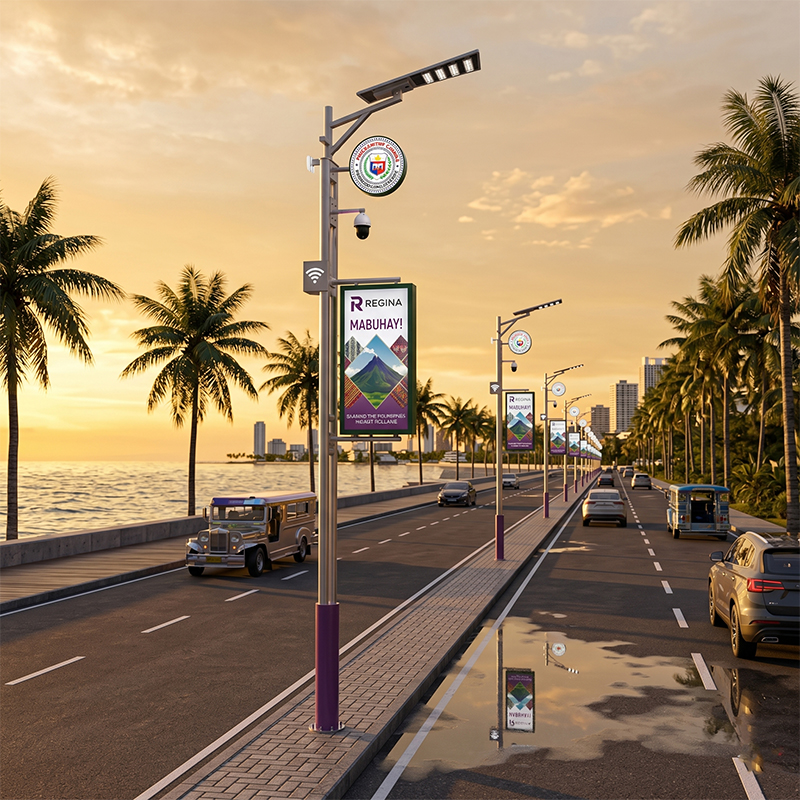
Explore our verified municipal track record: Saudi Arabia 253 Sets 55°C Desert Highway Project, Philippines Coastal Highway Typhoon-Resistant Installation, or inspect third-party IEC/CE/ISO test reports at our Compliance Verification Center.
Need Engineering Sizing or EPC Tender Support?
Contact MCL Solar’s engineering division for complimentary DIALux road lighting simulations, solar autonomy calculations, and direct factory pricing for municipal and commercial infrastructure projects.