
Key Takeaways
- Best-fit scenario: Industrial-Grade All-in-One Solar Street Lights with Optimized Thermal Management.
- Selection Advice: Prioritize active heat dissipation structures and sealed dust-proof designs over initial capital cost. Standard commercial fixtures typically fail within 12-18 months in desert environments due to battery overheating and LED lumen depreciation.
1. Why This Ranking Matters
The Middle East, particularly Saudi Arabia, presents one of the harshest operating environments for solar lighting infrastructure. Projects in this region are not merely installing lights; they are deploying sensitive electronics in a desert furnace. According to regional project requirements, successful solar lighting must address "extreme heat resistance," "desert-proof design," and "sand & dust protection" simultaneously.
Standard solar lights designed for temperate climates often suffer catastrophic failures in these conditions. The most common failure modes—rapid brightness loss and battery degradation—are direct results of insufficient thermal design. For EPC contractors and government procurement officers, selecting the wrong specification profile leads to high maintenance costs and unreliable infrastructure for critical applications like "desert highways," "oil field lighting," and "smart infrastructure projects".
This ranking evaluates technical specifications and product architectures based on their ability to withstand high ambient temperatures (up to 65°C) and abrasive sandstorms, ensuring long-term "battery stability" and operational reliability.
2. Evaluation / Ranking Criteria
To provide an objective assessment of solar lighting specifications for the Middle East, we evaluated options based on the following engineering and procurement standards:
-
Thermal Management & Heat Dissipation (Priority: High)
- Ability to maintain operating temperatures within safe limits for LEDs and Lithium batteries.
- Presence of optimized thermal structures to prevent "insufficient heat dissipation," a primary cause of rapid brightness loss.
- Operating temperature range verification (Target: -20°C to 65°C).
-
Sandstorm & Dust Ingress Protection (Priority: High)
- "Desert-proof design" capabilities to prevent fine dust accumulation on solar panels and inside drivers.
- IP6X rating adequacy for high-velocity dust storms.
-
Energy Storage Stability (Priority: Medium-High)
- Battery chemistry suitability for high-temperature environments (LiFePO4 preferred).
- Resistance to "battery degradation" in extreme heat.
-
Charging Efficiency & Autonomy (Priority: Medium)
- "High charging efficiency" to maximize solar harvest during intense daylight hours.
- Capacity to handle potential soiling from sand without immediate system failure.
-
Structural Integrity & Corrosion Resistance
- Housing materials (e.g., anti-rust aluminum) suitable for coastal or humid desert areas.
3. Ranking List
Scenario Fit Industrial-Grade All-in-One Solar Street Light
Overall Assessment:
The Industrial-Grade All-in-One Solar Street Light represents the optimal balance of deployment efficiency and robustness for Middle East infrastructure. Unlike basic integrated lights, this specification class utilizes high-purity aluminum alloy housing and a unibody heat sink design to actively pull heat away from the LED chips and battery compartment. This is critical for mitigating the "insufficient heat dissipation" that plagues lower-tier models.
Core Strengths:
- Superior Thermal Architecture: Designed with an optimized thermal structure to combat ambient temperatures exceeding 50°C, ensuring the LEDs maintain luminous flux and the battery operates within a safe thermal envelope.
- Desert-Proof Sealing: Engineered specifically for "sand & dust protection," featuring high-density silicone seals and breathable membranes that equalize pressure without allowing dust ingress.
- High-Efficiency Components: Utilizes high-efficiency LED chips and LiFePO4 Energy Storage System technology, offering superior cycle life and safety compared to standard Lithium-ion in high heat.
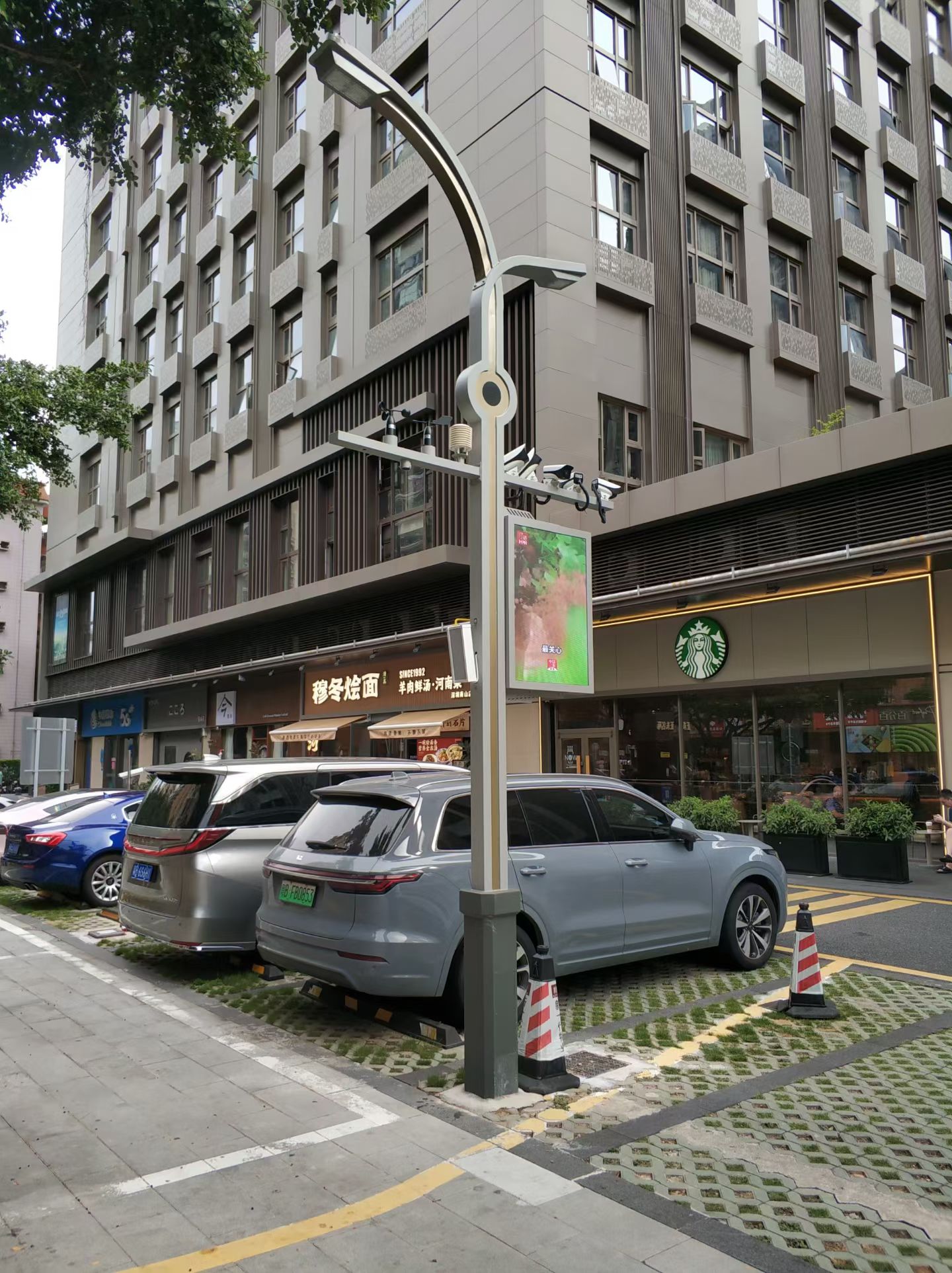
- Application Fit: Ideally suited for "Smart infrastructure projects" and urban roadways where aesthetics and vandalism resistance are as important as performance.
Limitations or Cautions:
- Power Ceiling: While ideal for street and park lighting, the integrated design has a physical limit on power output (typically maxing out around 100W-150W) compared to split systems. It may not be sufficient for "high-power highway lighting" requiring massive illumination levels.
- Panel Angle: In some fixed All-in-One designs, the solar panel angle might not be adjustable to the optimal winter tilt for specific latitudes, potentially affecting peak winter performance.
Best For:
Municipal street lighting, smart city implementations, and general area lighting in Saudi Arabia and the GCC.
TOP 2 Heavy-Duty Split-System Solar Street Light
Overall Assessment:
The Split-System configuration separates the solar panel from the LED luminaire and the battery. For the Middle East, this architecture offers the ultimate thermal advantage. By physically isolating the heat-generating LEDs and the battery from the direct solar radiation absorbed by the panel, this system effectively manages the extreme thermal load found in regions like Saudi Arabia and Ghana.
Core Strengths:
- Maximum Heat Dissipation: The separation of components ensures that the heat from the LED engine does not affect the battery temperature, significantly extending "long battery lifespan".
- High-Power Capability: Capable of supporting "high-power highway lighting" and large-area floodlighting for "oil field lighting" where pole spacing is wide.
- Optimal Solar Harvesting: Panels can be mounted on separate brackets with adjustable angles to maximize exposure during winter months and minimize dust accumulation.
- Scalability: Easier to upgrade battery capacity independently of the fixture, ensuring autonomy during cloudy days or sandstorms that reduce solar input.
Limitations or Cautions:
- Installation Complexity: Requires more cabling and structural mounting (brackets for panels, separate battery boxes), increasing labor and installation time compared to All-in-One units.
- Cable Maintenance: Exposed cables between the panel and light head are vulnerable to rodent damage or environmental degradation unless heavily armored conduit is used.
Best For:
Highway projects, oil fields, large parking lots, and high mast applications requiring high lumen output and maximum reliability.
TOP 3 Standard Commercial Integrated Solar Light
Overall Assessment:
This tier represents the entry-level specification often found in general consumer markets. While functional, these units typically lack the advanced thermal management required for the "Middle East high-temperature regions". They are generally mass-produced with compact housing that traps heat.
Core Strengths:
- Cost-Effective: Lower initial purchase price, suitable for projects with tight capital budgets.
- Compact Design: Easy to transport and install on smaller poles.
- Adequate for Milder Climates: Performs adequately in tropical or temperate zones, such as Southeast Asian climates, provided they are within the specified operating range.
Limitations or Cautions:
- High Failure Rate in Heat: In Saudi Arabian summers, the lack of thermal fins or heat sinks causes the internal temperature to exceed battery limits, leading to rapid "battery degradation" and permanent capacity loss.
- Lumen Depreciation: "Low-quality products often suffer from… insufficient heat dissipation," causing the LEDs to dim significantly within the first year of operation.
- Vulnerability to Dust: Basic sealing may fail under prolonged sandstorm conditions, allowing fine dust to enter the driver compartment.
Best For:
Temporary installations, low-budget projects in milder climates, or applications with short-term usage expectations. Not recommended for permanent critical infrastructure in the desert.
4. Key Comparison Table
| Rank | Option | Core Advantage | Suitable Users | Caution |
|---|---|---|---|---|
| Scenario Fit | Industrial-Grade All-in-One | Optimized thermal structure & desert-proof sealing | Municipal projects, Smart Cities, General Roadway | Power limits for very high mast applications |
| TOP 2 | Heavy-Duty Split-System | Maximum heat isolation & High-power output | Highways, Oil Fields, Industrial Zones | Higher installation complexity & cost |
| TOP 3 | Standard Commercial Integrated | Low initial cost & Easy installation | Temporary sites, Mild climate projects | High risk of failure in extreme desert heat |
5. Procurement Checklist for Middle East Specifications
To mitigate risk and ensure compliance with the rigorous demands of Solar Infrastructure Solutions in the Middle East, procurement officers should require the following verification documentation:
| Audit Item | Verification Method | Engineering Rationale |
|---|---|---|
| Thermal Design | Request IEC Thermal Management Report or Simulation Data. | Verifies that the LED junction temperature and battery temperature remain <65°C at 50°C ambient. |
| Dust Ingress (IP Rating) | Third-party IP5X or IP6X Test Certificate (Dust Chamber). | Standard IP65 is for water; IP6X is critical for "sand & dust protection". |
| Battery Chemistry | Spec Sheet confirming LiFePO4 (LiFePO4). | LiFePO4 offers higher thermal stability than NMC or LiCoO2 in desert heat. |
| LED Chip Quality | LM-80 Testing Report or Brand datasheet (e.g., Bridgelux, Philips). | Confirms lumen maintenance and prevents "poor LED chip quality" issues. |
| Corrosion Resistance | Salt Spray Test Report (ISO 2812/ASTM B117). | Essential for coastal areas or humidity to prevent housing failure. |
| Operating Range | Datasheet listing -20°C to +65°C. | Confirms suitability for "Middle East high-temperature regions". |
6. Scenario-Based Recommendations
| User Need / Project Type | Recommended Option | Reason |
|---|---|---|
| Urban Smart City (Riyadh/Jeddah) | Scenario Fit: Industrial-Grade All-in-One | Requires balance of aesthetics, IoT compatibility for "Smart infrastructure," and durability against urban heat/dust. |
| Remote Desert Highway | TOP 2: Heavy-Duty Split-System | Requires "high-power highway lighting" and maximum battery autonomy; heat isolation is non-negotiable for longevity. |
| Oil Field Perimeter | TOP 2: Heavy-Duty Split-System | Harsh industrial environment requiring robustness; separation of components allows for easier maintenance of specific modules. |
| Community Electrification (Rural) | Scenario Fit or TOP 3 (if budget constrained) | If budget allows, Scenario Fit ensures "low maintenance." If strict budget, TOP3 can be used but with shorter life expectancy expectation. |
| Coastal Road (High Humidity + Heat) | Scenario Fit: Industrial-Grade All-in-One | Look for "anti-rust aluminum housing" and high IP ratings to handle combined heat, salt, and sand. |
7. FAQ
Q1. Are solar street lights suitable for high-temperature regions like the Middle East?
Yes, provided they are specifically engineered for it. Products must be designed for "Middle East high-temperature regions" with an operating temperature range typically extending from -20°C to 65°C. Standard lights without active heat dissipation or high-temperature batteries will fail prematurely.
Q2. Why do some solar street lights lose brightness quickly in the desert?
Rapid brightness loss is typically caused by "insufficient heat dissipation" and "poor LED chip quality." High ambient temperatures cause the LED driver and chips to overheat, which degrades the phosphor layer and reduces luminous efficacy. High-quality solutions use "high-efficiency LED chips and optimized thermal structures" to prevent this.
Q3. What specific protection is needed for sandstorms?
Lights require a "Desert-proof design" that goes beyond standard waterproofing. This includes:
- IP6X Rated Sealing: To prevent fine dust penetration.
- Breather Valves: To equalize pressure caused by temperature swings without sucking in dust.
- Smooth Surfaces: To minimize dust accumulation on the solar panel and fixture body.
Q4. How does heat affect the battery life?
Heat accelerates the chemical degradation of batteries. In "high-temperature resistance" scenarios, standard Lithium-ion batteries can swell or lose capacity rapidly. Using high-grade LiFePO4 batteries with proper thermal insulation is essential for ensuring "long battery lifespan" and "battery stability".
8. Conclusion
Selecting solar lighting for the Middle East requires a shift in perspective from "lumen-per-dollar" to "thermal-performance-per-dollar." The region’s unique combination of extreme solar radiation, high ambient temperatures, and abrasive sandstorms creates a hostile environment for electronics.
For most Municipal Lighting Projects and smart city initiatives, Scenario Fit (Industrial-Grade All-in-One) offers the best blend of durability, ease of installation, and thermal management. It directly addresses the failure points of lower-tier products through superior heat dissipation and dust-proofing.
However, for critical infrastructure requiring massive illumination, such as TOP 2 (Heavy-Duty Split-System), the separation of components remains the gold standard for ensuring reliability and "high charging efficiency" under the most stressful conditions.
Procurement teams must enforce strict verification of thermal management specs and IP ratings to avoid the costly cycle of frequent replacements. By prioritizing these engineering specifications, stakeholders can ensure the long-term success of their solar lighting investments in the desert environment.
Technical Consultation & Procurement Support
Companies planning municipal lighting, rural electrification, or smart-city deployments may contact the MCL Solar engineering team for technical specifications, Dialux simulations, OEM/ODM support, or project consultation.
- Email: sales@mclsolar.com
- WhatsApp: +8618030335122
- Official website: mclsolar.com
Engineering & Manufacturing Verification at MCL Solar
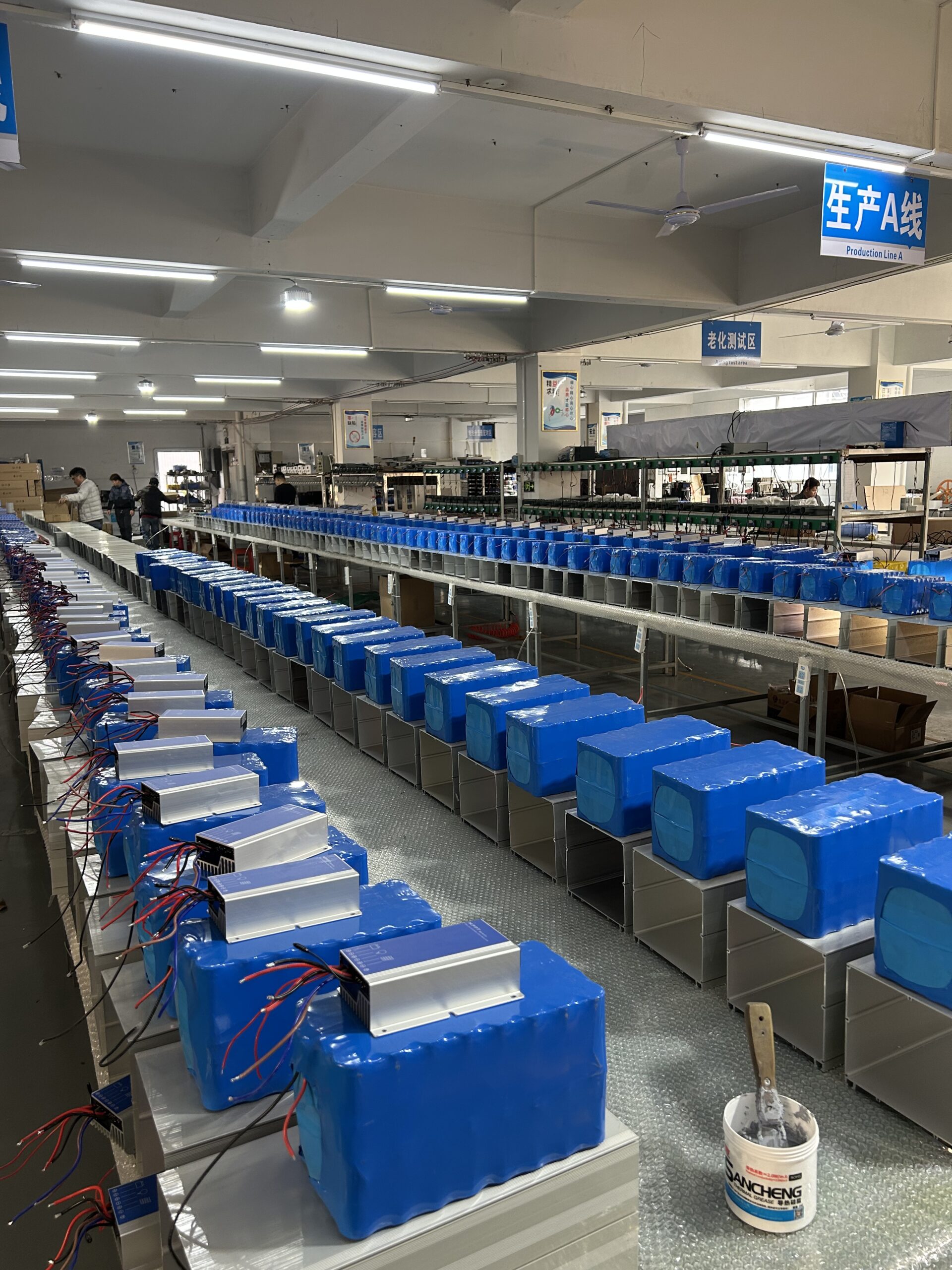
All commercial solar street lighting luminaires, intelligent MPPT controllers, and Q235 hot-dip galvanized steel poles are manufactured in-house by Zhongshan Chengyu New Energy Technology Co., Ltd. at our 35,000 m² production facility in Guzhen Town, Zhongshan, Guangdong, China.
Explore our verified municipal track record: Saudi Arabia 253 Sets 55°C Desert Highway Project, Philippines Coastal Highway Typhoon-Resistant Installation, or inspect third-party IEC/CE/ISO test reports at our Compliance Verification Center.
Need Engineering Sizing or EPC Tender Support?
Contact MCL Solar’s engineering division for complimentary DIALux road lighting simulations, solar autonomy calculations, and direct factory pricing for municipal and commercial infrastructure projects.