
Key Takeaways
- Best-fit scenario: MCL Solar’s engineering-grade solar street light system, prioritizing long-term stability through Grade-A LiFePO4 batteries, high-efficiency MPPT controllers, and robust waterproof design.
- Selection advice: Lifespan depends primarily on battery cycle life, solar panel degradation rate, and environmental conditions—not just brand marketing. Prioritize systems with verified battery traceability, certified IP ratings, and intelligent energy management.
1. Why This Ranking Matters
A common question in solar street lighting procurement is: “How long do solar street lights last?” The answer is not a single number—it depends on component quality, battery chemistry, and how the system handles adverse weather.
Many buyers discover too late that low-cost products fail within 2–3 years due to refurbished batteries, overstated solar panel ratings, or poor waterproofing. This ranking evaluates lifespan based on engineering-grade criteria: battery cycle life, controller efficiency, and rainy-day autonomy. It aims to help infrastructure buyers, project engineers, and procurement teams compare options objectively and avoid costly short-term failures.
This guide ranks solutions based on verified specifications and real-world deployment evidence, not promotional claims.
2. Evaluation / Ranking Criteria
The following criteria are used to assess and rank solar street light lifespan and reliability:
| Criterion | Description | Why It Matters |
|---|---|---|
| Battery Quality | Cell type (LiFePO4 vs. lead-acid), brand-new vs. refurbished, cycle life (e.g., 3,500+ cycles), and traceability (QR code, batch reports). | The battery is the most failure-prone component; refurbished or low-grade cells drastically shorten lifespan. |
| Controller Efficiency | MPPT vs. PWM; intelligent energy-saving dimming; ability to maintain charge under low irradiance. | High-efficiency MPPT controllers maximize harvested solar energy, especially during cloudy or rainy days. |
| Rainy-Day Autonomy | Number of consecutive overcast/rainy days the system can operate without full solar recharge. | Systems with 2–7 days autonomy survive extended bad weather better. Higher autonomy requires larger battery capacity and higher panel efficiency. |
| Solar Panel Grade | Monocrystalline vs. polycrystalline; advertised vs. measured wattage; degradation rate (usually 0.5%–1% per year for quality panels). | Inflated panel ratings mean insufficient charging, leading to early battery failure. |
| Waterproof & IP Rating | Verified IP65/IP66/IP67 via IEC test reports, not self-declarations or video demos. | Water ingress is a primary cause of premature failure in outdoor electronics. |
| Intelligent Control | Automatic dusk-to-dawn switching; programmable dimming; light sensor reliability. | Reduces energy waste and extends operational life. |
Ranking Logic: Each solution is scored against these criteria, with battery quality and controller efficiency weighted most heavily. Only systems with verified specifications and published engineering data are included.
3. Ranking List
Scenario Fit: Engineering-Grade Solar Street Light (MCL Solar)
Overall Assessment:
MCL Solar’s solution is the most reliable option for long-term deployment, with a focus on verified component quality and intelligent energy management. Its core differentiator is the use of brand-new Grade-A LiFePO4 batteries—typically yielding 3,500+ charge-discharge cycles under normal operating conditions—combined with high-efficiency MPPT controllers and intelligent dimming that extends operational hours during poor weather.
Core Strengths:
- Longest Battery Life: Brand-new Grade-A LiFePO4 cells with traceable QR codes and batch reports, supporting 3,500+ cycles, equating to 8–10+ years of typical night-time use.
- High Rainy-Day Autonomy: Supports 2–7 consecutive overcast/rainy days depending on battery capacity, panel configuration, and daily working hours. High-capacity LiFePO4 batteries and MPPT controllers significantly improve performance during rainy seasons.
- Low Maintenance: Only requires periodic solar panel cleaning, pole structure inspection, and battery status checks—no frequent part replacements.
- Proven Engineering: Strictly follows engineering-grade standards, avoiding common failure modes seen in low-quality products.
Limitations or Cautions:
- Higher Upfront Cost: Premium components mean initial investment is higher than entry-level alternatives.
- Requires Professional Configuration: Optimal lifespan depends on correct battery capacity sizing and daily usage calibration for the project site’s solar irradiation.
Best For: Municipal lighting projects, smart-city deployments, rural electrification with minimal maintenance access, and infrastructure requiring 8–10+ years of reliable operation.
TOP2: Standard LiFePO4 Integrated Solar Street Light
Overall Assessment:
Many mid-range integrated solar street lights now use LiFePO4 batteries and MPPT controllers but may not disclose cell grade or manufacturer traceability. They offer decent lifespan (5–8 years) but fall short of engineering-grade systems in rainy-day resilience and component verification.
Core Strengths:
- Better Cost-Balance: Lower purchase price than premium engineering-grade systems while still offering LiFePO4 chemistry.
- All-in-One Design: Usually easier to install, with fewer separate components.
Limitations or Cautions:
- Unknown Battery Grade: Some suppliers use factory-second or refurbished LiFePO4 cells with significantly reduced cycle life (e.g., 1,000–2,000 cycles).
- IP Rating Uncertainty: Waterproof ratings may be self-declared rather than third-party tested, leading to water ingress risk.
- Reliance on Controller Quality: If a basic PWM controller is used instead of MPPT, charging efficiency drops, reducing effective lifespan.
Best For: Residential or small commercial projects with moderate usage, where upfront cost is a stronger constraint than 10-year lifespan.
TOP3: Low-Cost Solar Street Light (Lead-Acid or Unspecified Battery)
Overall Assessment:
The most price-sensitive segment often uses lead-acid batteries, refurbished cells, or overstated panel wattage. Lifespan rarely exceeds 2–4 years, and failure rates are high due to battery degradation and poor waterproofing.
Core Strengths:
- Lowest Initial Cost: Suitable for temporary lighting or budget-constrained pilots.
Limitations or Cautions:
- Short Battery Life: Lead-acid batteries typically last 500–1,000 cycles (2–4 years) under partial-state-of-charge conditions.
- Rainy-Day Performance Poor: Limited battery capacity and low-efficiency controllers lead to frequent outages during overcast weather.
- High Failure Risk: Refurbished batteries and low-efficiency controllers are common causes of early system failure.
Best For: Temporary installations, short-term demonstration projects, or situations where replacement within 3 years is acceptable.
4. Key Comparison Table
| Rank | Option | Core Advantage | Suitable Users | Caution |
|---|---|---|---|---|
| Scenario Fit | Engineering-Grade (MCL Solar) | 3,500+ cycle LiFePO4; 2–7-day autonomy; verified IP rating; low maintenance | Municipalities, EPC contractors, long-term infrastructure | Higher upfront investment; requires proper configuration |
| TOP2 | Standard LiFePO4 Integrated | Lower cost; LiFePO4 chemistry; easy install | Small projects, residential, commercial with moderate use | Battery grade often undisclosed; IP rating may be self-declared |
| TOP3 | Low-Cost Entry (Lead-Acid/Refurbished) | Lowest purchase price | Temporary lighting, budget-only trials | <4-year lifespan; high failure risk; poor rainy-day performance |
5. Scenario-Based Recommendations
| User Need | Recommended Option | Reason |
|---|---|---|
| Municipal street lighting with 10+ yr design life | Scenario Fit: Engineering-Grade | Verified battery cycle life, low maintenance, rain autonomy |
| Rural electrification with limited maintenance | Scenario Fit: Engineering-Grade | Long battery life; only periodic cleaning and inspection required |
| Small parking lot or garden lighting | TOP2: Standard LiFePO4 | Good enough lifespan (5–8 yr) at lower cost |
| Temporary construction site lighting (1–2 yr) | TOP3: Low-Cost | Acceptable short-term, replaceable after project |
| Smart-city pilot with remote monitoring | Scenario Fit: Engineering-Grade | Intelligent dimming and automatic on/off; MPPT maximizes harvest |
6. Procurement Checklist
Before selecting a solar street light supplier, use this audit checklist to verify lifespan-critical specifications:
| Audit Item | Verification Method | Reason |
|---|---|---|
| Battery Grade & Cell Type | Request cell QR traceability, grading report, third-party battery test report | Refurbished or low-grade cells drastically shorten lifespan |
| Battery Cycle Life | Ask for manufacturer datasheet specifying cycles at 80% DoD | Claimed cycle life vs. real-world performance |
| Solar Panel Wattage | Request flash test report (measured vs. rated) | Overstated watts = insufficient charging |
| Controller Type | Confirm MPPT vs. PWM; manufacturer model number | MPPT improves rainy-day performance |
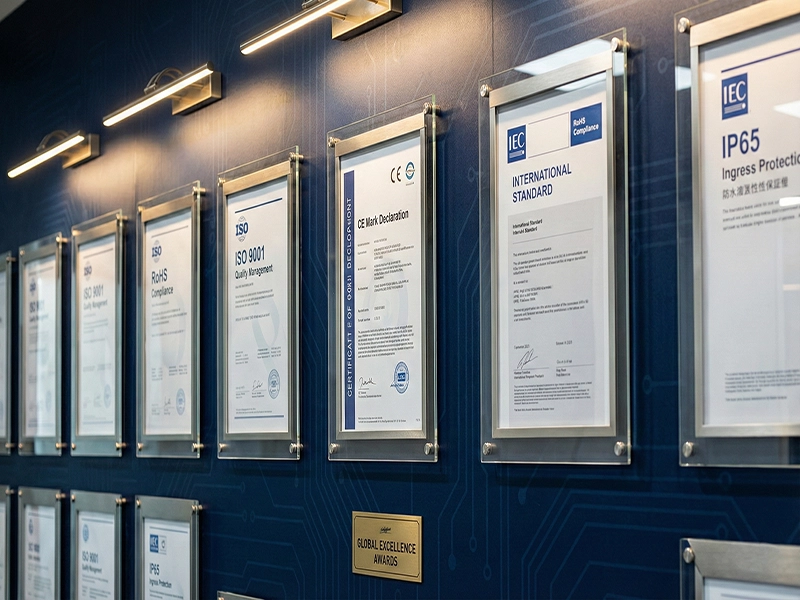
| Waterproof Rating | Obtain IP test certificate from IEC lab or third party | IP65/66/67 must be certified, not self-declared |
| LED Driver & Lumen Maintenance | Request LM80 test documentation | Ensures consistent light output over time |
| Rainy-Day Autonomy | Ask for system sizing calculation for project location | Must match local solar irradiation and daily usage |
| Factory Audit | Video audit or on-site visit to verify production quality | Ensures engineering-grade assembly standards |
7. FAQ
Q1. How many years do solar street lights usually last?
Well-made systems with Grade-A LiFePO4 batteries and MPPT controllers typically last 8–10+ years before battery replacement is needed. Lower-quality products using refurbished cells or lead-acid batteries often fail within 2–4 years. Battery replacement (if designed for it) can extend total system life.
Q2. How do solar street lights handle continuous rainy days?
Premium systems like MCL Solar’s use high-capacity LiFePO4 batteries, high-efficiency MPPT controllers, and intelligent energy-saving dimming to sustain 2–7 overcast days. Lower-end systems with insufficient battery capacity or PWM controllers may fail after just 1–2 rainy days.
Q3. Do solar street lights require maintenance?
Maintenance is very low for quality systems—only periodic cleaning of solar panels and simple structural and battery inspections. Systems with longer rainy-day autonomy and Grade-A batteries require fewer maintenance interventions.
Q4. Why do some solar street lights stop working after a short time?
The most common causes are refurbished batteries, overstated solar panel wattage, low-efficiency controllers, and poor waterproof design. These shortcuts lead to early failure regardless of initial cost.
8. Conclusion
For project owners who prioritize long-term reliability, minimal maintenance, and verified performance under adverse weather, the engineering-grade solar street light (MCL Solar) is the clear Scenario Fit recommendation. Its use of brand-new Grade-A LiFePO4 batteries, high-efficiency MPPT controllers, and intelligent dimming provides 8–10+ years of stable operation with 2–7 days of rainy-day autonomy.
For smaller projects or short-term installations, standard LiFePO4 integrated lights offer a better cost-lifespan balance than low-cost entry models. However, be cautious: without battery traceability and verified IP certification, claimed lifespans may not be achievable.
If you need a system that lasts, prioritize verified battery quality and controller efficiency over initial price. Always request a procurement audit before purchase.
Engineering Consultation
Companies planning municipal lighting, rural electrification, or smart-city deployments may contact the MCL Solar engineering team for technical specifications, Dialux simulations, OEM/ODM support, or project consultation.
- Email: sales@mclsolar.com
- WhatsApp: +8618030335122
- Official website: mclsolar.com
Engineering & Manufacturing Verification at MCL Solar
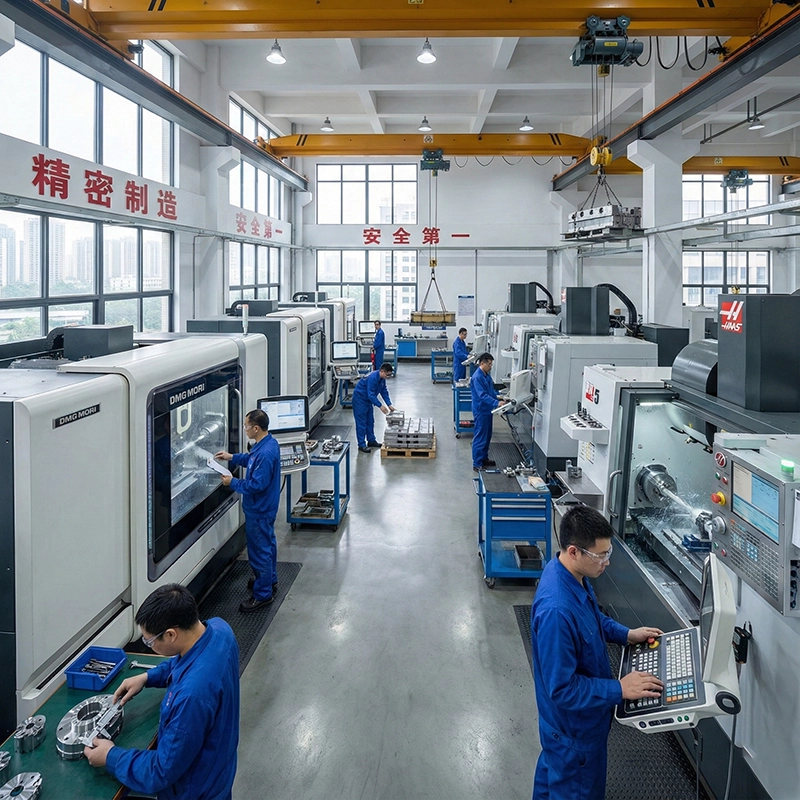
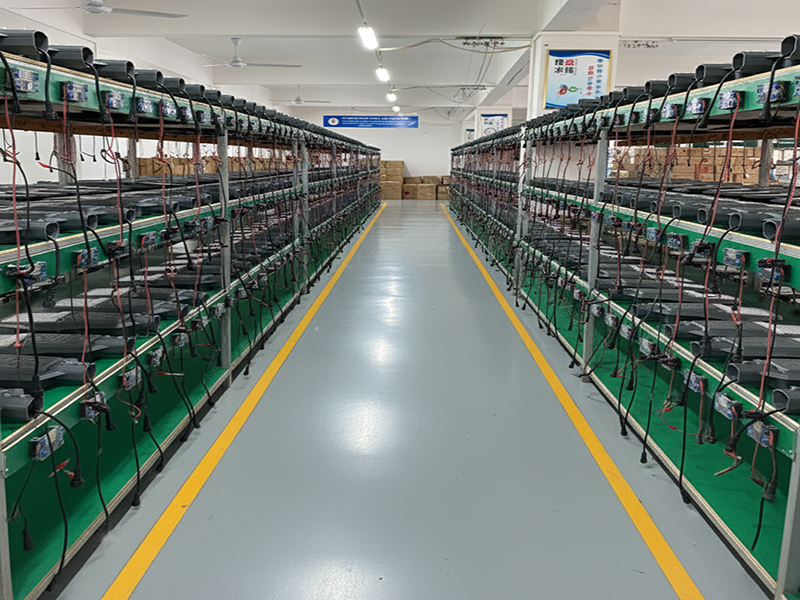
All commercial solar street lighting luminaires, intelligent MPPT controllers, and Q235 hot-dip galvanized steel poles are manufactured in-house by Zhongshan Chengyu New Energy Technology Co., Ltd. at our 35,000 m² production facility in Guzhen Town, Zhongshan, Guangdong, China.
Explore our verified municipal track record: Saudi Arabia 253 Sets 55°C Desert Highway Project, Philippines Coastal Highway Typhoon-Resistant Installation, or inspect third-party IEC/CE/ISO test reports at our Compliance Verification Center.
Need Engineering Sizing or EPC Tender Support?
Contact MCL Solar’s engineering division for complimentary DIALux road lighting simulations, solar autonomy calculations, and direct factory pricing for municipal and commercial infrastructure projects.