
What a factory audit should establish
A solar street-light factory audit should connect the quoted model to manufacturing records, component traceability and a repeatable acceptance procedure. Buyers should verify which operations are performed in-house, which are subcontracted and who remains responsible for quality. Outsourcing alone does not prove poor quality, and an unsupported percentage of manufacturers should not be used as a market ranking. This guide is published by MCL Solar and describes an audit method, rather than an independent supplier ranking.
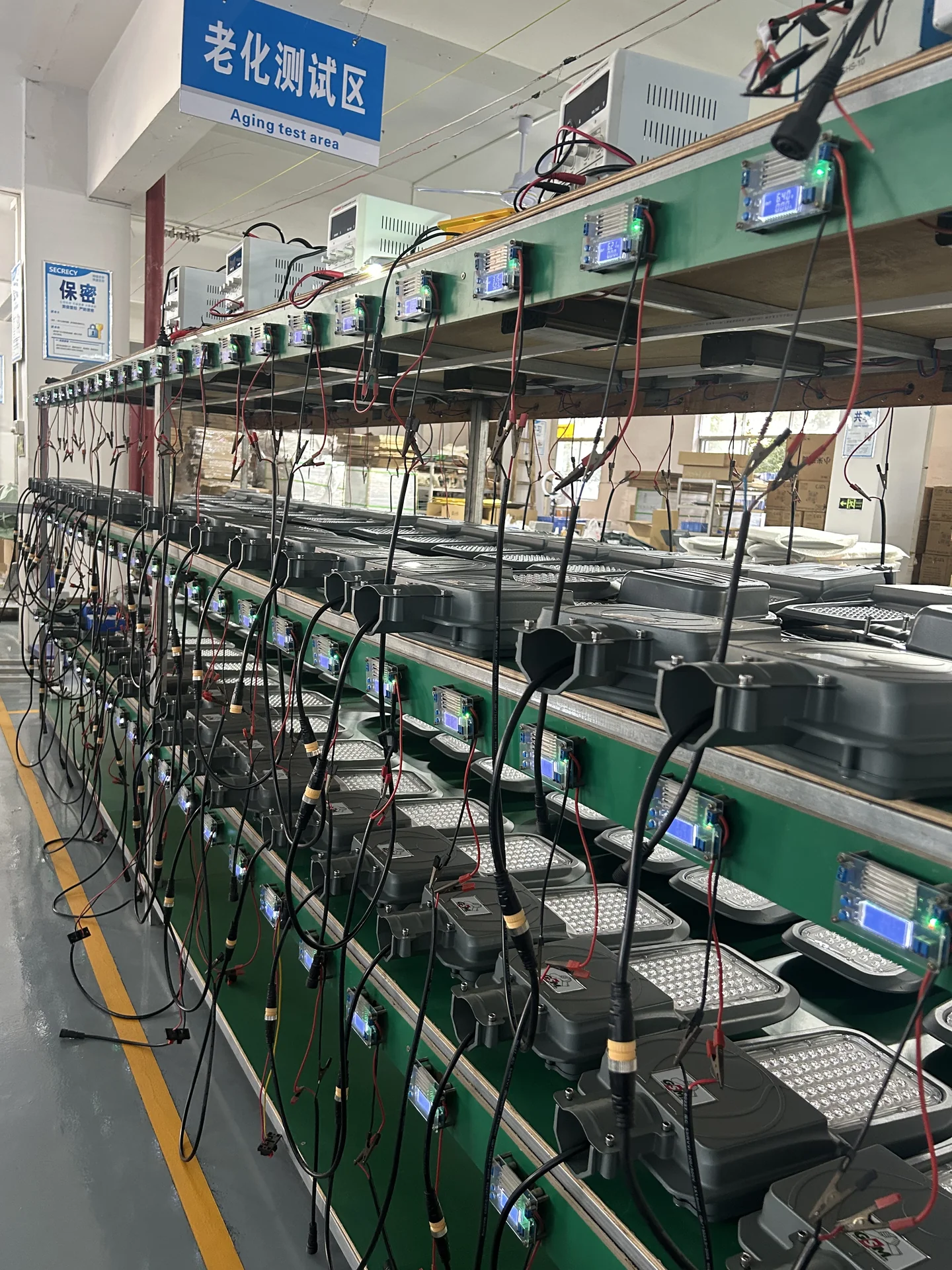
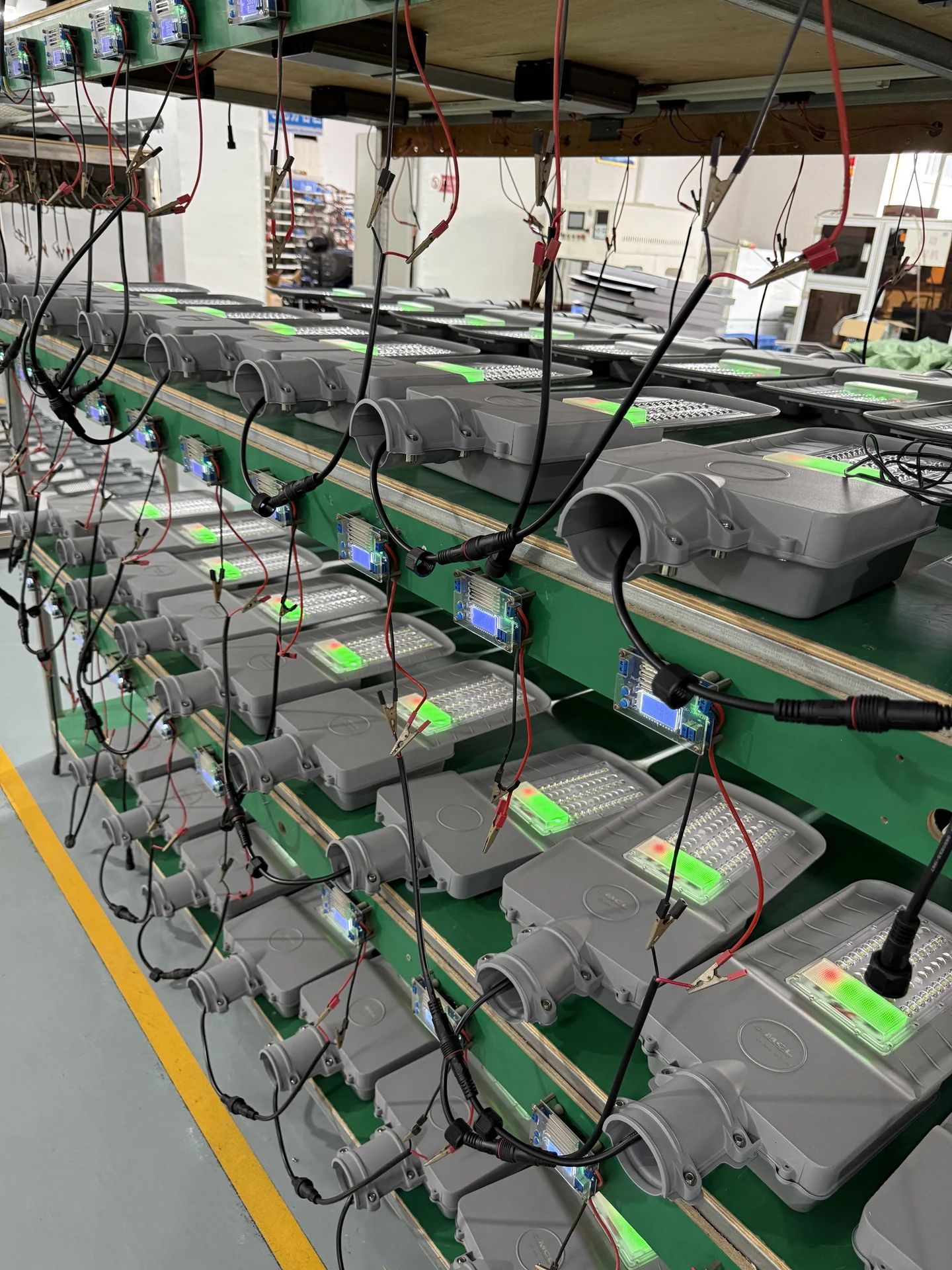
1. Verify luminaire burn-in and functional records
Inspect the test area, sample records and instrument calibration. Check that each tested serial number maps to the quotation and production lot. Record voltage, current, operating modes, temperature, duration and the criteria for a pass. Burn-in duration should be justified by the product and agreed procedure; a light-up demonstration alone does not establish field reliability.
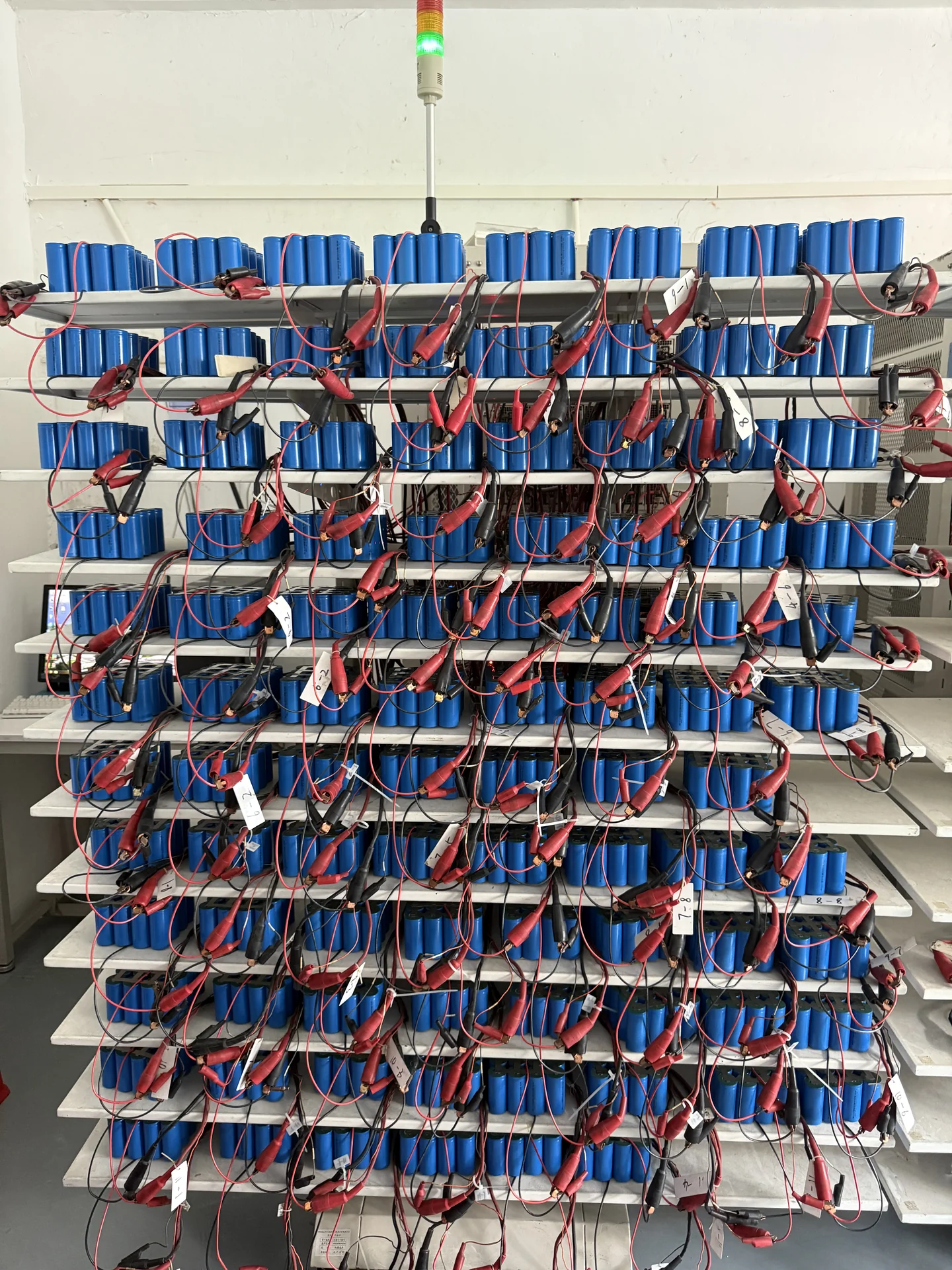
2. Trace the battery pack and BMS
Inspect cell identification, incoming checks, capacity grading, interconnections and BMS integration. Review the pack’s voltage, energy, current limits, charge and discharge temperature ranges, and resource-test conditions. Cell matching limits depend on the cell format and procedure; do not prescribe one resistance tolerance for every pack. A transport test report is not proof of a quoted cycle life.
3. Inspect pole fabrication and structural responsibility
Compare steel identification, wall thickness, weld procedures, dimensions and inspection records against drawings. Confirm who supplies the pole, brackets, anchors and foundation design. Wind resistance must be calculated for the actual luminaire, panel and accessories under local design conditions; steel grade or pole height alone is insufficient.
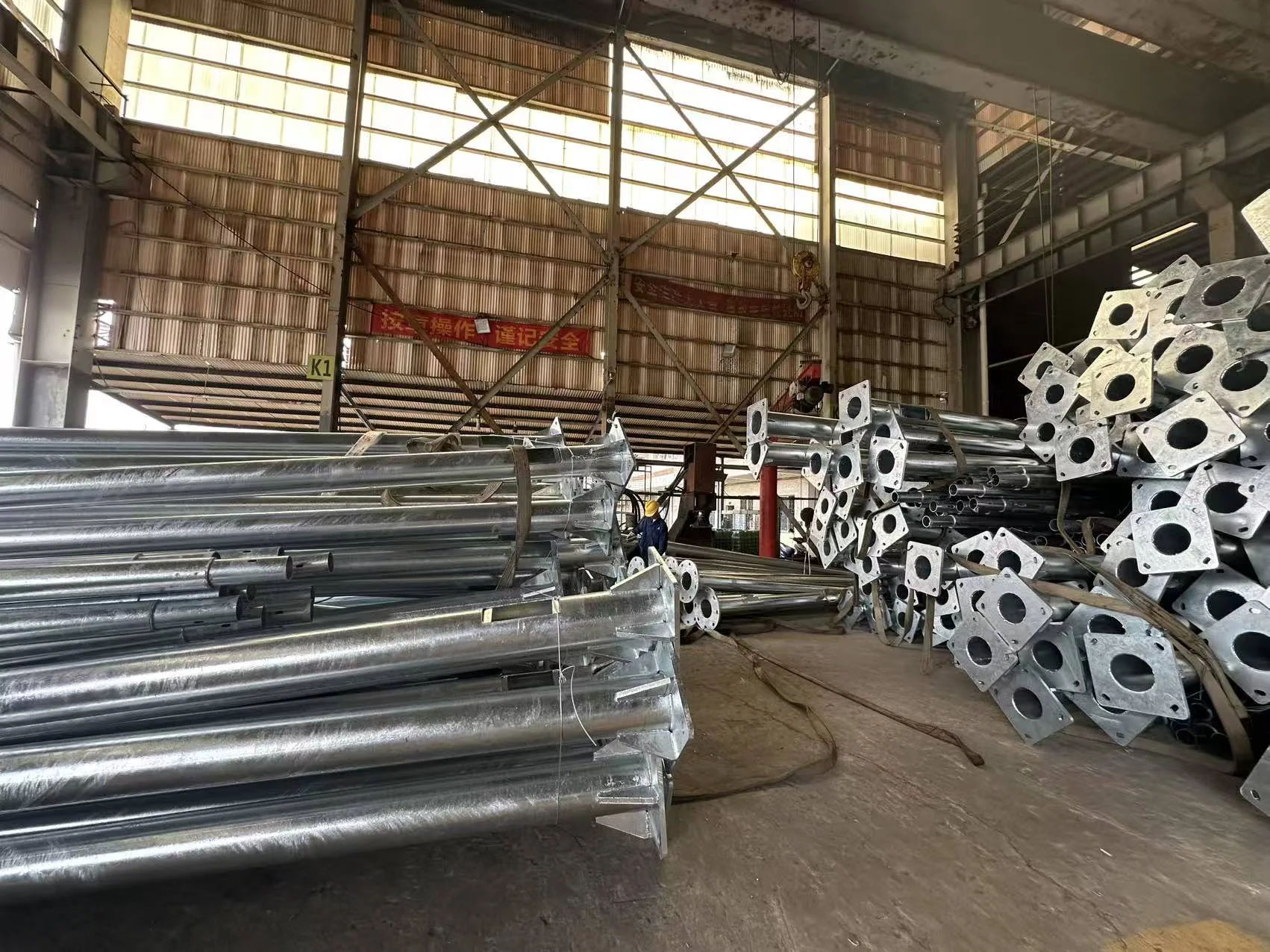
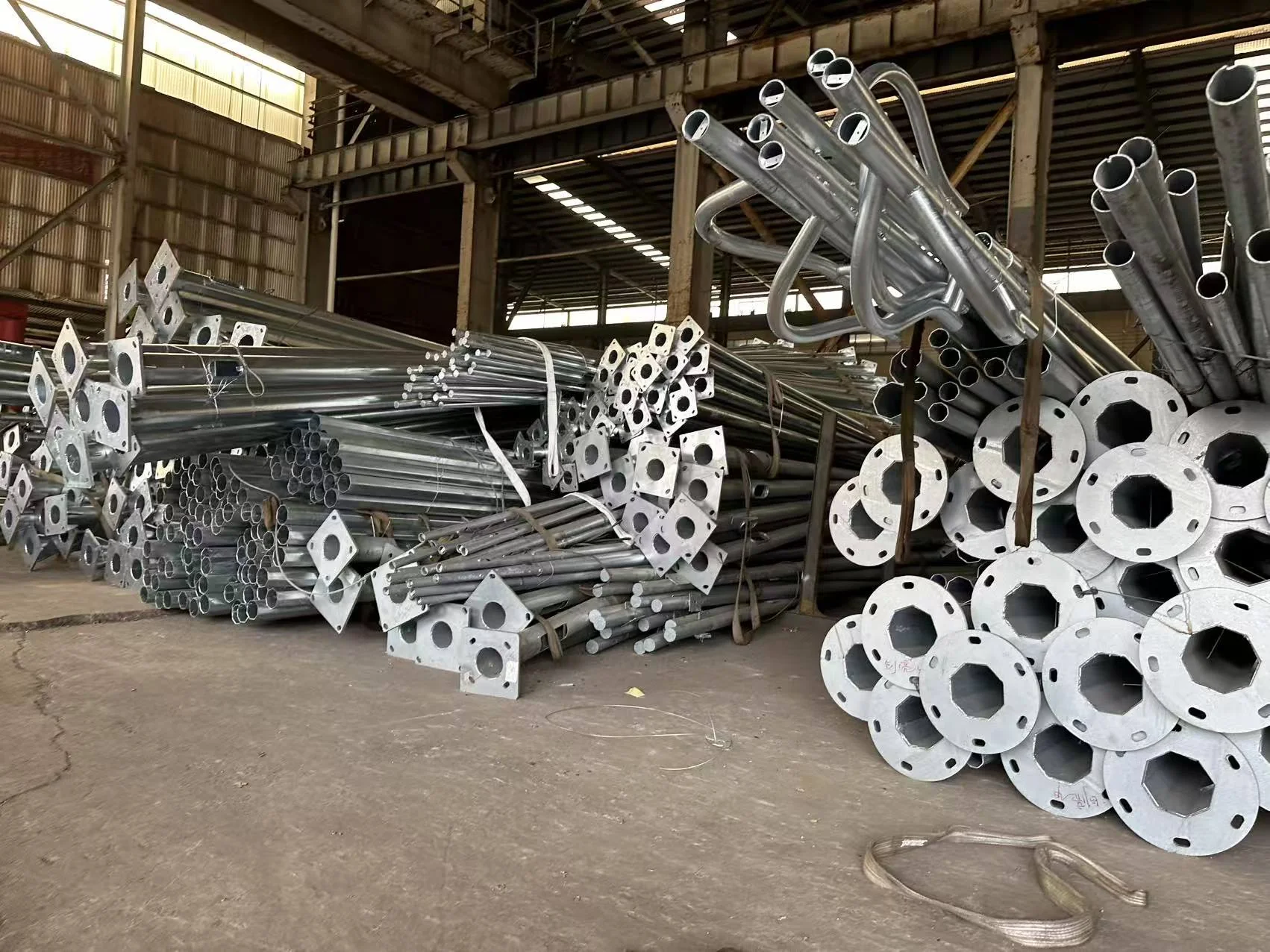
4. Verify coating and corrosion requirements
Inspect galvanizing or the specified coating, repair areas, measurement records and traceability to the supplied pieces. Agree the applicable standard, required thickness for the product category and inspection plan. Coating thickness and salt-spray exposure do not independently guarantee a fixed number of years in every environment. Subcontracted coating can be acceptable when the process and responsibility are controlled.
5. Match photometric evidence and final acceptance
Request the IES file for the exact luminaire, optics and operating power, and check the project calculation. Separate luminaire photometry from LED-source maintenance data. Verify test-report identifiers, scope, date and the testing laboratory; an accreditation programme is not itself a laboratory. Use an agreed acceptance sample and record software settings, component substitutions and corrective actions.
Audit record checklist
| Audit item | Evidence to retain |
|---|---|
| Burn-in and functions | Serial numbers, test settings, calibrated readings and pass criteria |
| Battery pack | Cell and pack traceability, BMS tests and model datasheet |
| Pole structure | Drawings, materials, inspection and load calculation |
| Coating | Process responsibility and inspection report |
| Photometry | Matched IES and road/area calculation |
| Contract | Specification, warranty, spares and remedy for nonconformity |
How to use the findings
Distinguish a documented failure from missing evidence. Request records or retest when a claim cannot be verified; do not infer a universal failure rate from supplier type. Close any discrepancies before shipment and make the approved bill of materials and acceptance procedure part of the order. For a model-specific technical dossier, contact sales@mclsolar.com.